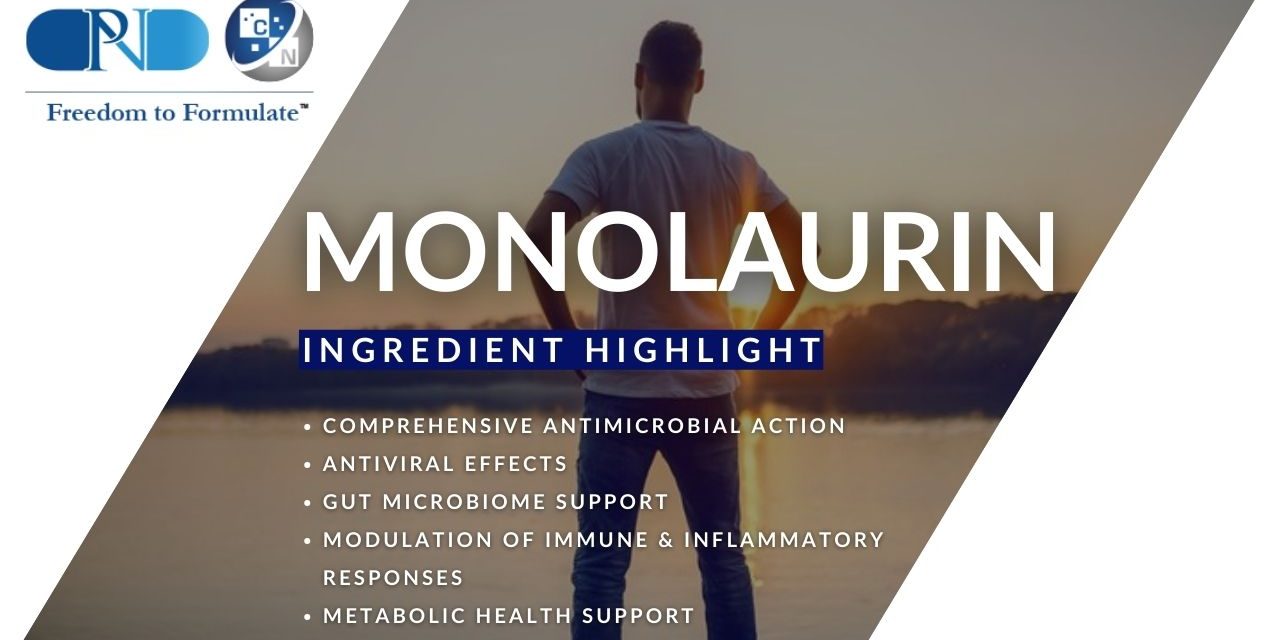
Monolaurin, a monoglyceride derived from lauric acid found in coconut oil and human breast milk, is gaining attention as a powerful ingredient for immune support and whole-body wellness, making it an ideal foundation for custom dietary supplement formulations.
Working Mechanism of Monolaurin
Monolaurin exerts antimicrobial effects by disrupting the lipid envelopes of gram-positive bacteria, certain fungi, and multiple enveloped viruses such as influenza, herpes, and more, impairing their survival. It also modulates the immune system by enhancing natural killer cell activity and balancing cytokine production, while effectively breaking down bacterial and fungal biofilms to improve infection responsiveness.
Clinical Evidence and Applications of Monolaurin
- Comprehensive Antimicrobial Action
Monolaurin disrupts the lipid envelopes of gram-positive bacteria, yeast, and enveloped viruses, and effectively breaks down resistant biofilms, enhancing infection resolution.
- Antiviral Effects
Monolaurin blocks viruses by interfering with the fusion of viral envelopes with host cells, preventing infection and replication. Clinical data indicate individuals with higher serum monolaurin levels have reduced rates and severity of common enveloped viral infections, including respiratory illnesses.
- Gut Microbiome Support
Unlike broad-spectrum antibiotics, monolaurin selectively targets harmful microorganisms while sparing beneficial gut bacteria. Studies in animal models suggest that it helps to restore microbiome balance after disruptions and reduces populations of pathogenic bacteria while supporting the growth of health-positive species. This selectivity is crucial for maintaining gut barrier integrity and optimizing immune system support via the gut-immune axis.
- Modulation of Immune and Inflammatory Responses
Monolaurin boosts the activity of natural killer cells and supports the production of immune-balancing cytokines. This helps the body mount a rapid, balanced defense against threats. Its anti-inflammatory effects, such as reductions in pro-inflammatory cytokines, are beneficial in preventing chronic, low-grade inflammation linked to metabolic syndrome and autoimmune disorders.
- Metabolic Health Support
Research points to improved insulin sensitivity, glucose metabolism, and lipid profiles with monolaurin supplementation with lipid-modulating and mild anti-inflammatory properties.
Strategic Formulation Approaches
Using a strategic combination of synergistic ingredients with monolaurin, practitioners can build targeted nutraceuticals to address the holistic long-term wellness of their patients.
- Vitamin C: Enhances monolaurin’s immune benefits through complementary antioxidant activity, supports interferon production (important for antiviral defense), and may improve cellular uptake of monolaurin.
- Zinc: Plays a pivotal role in cellular immunity, wound healing, and antioxidant defense. Adequate zinc levels amplify monolaurin’s antimicrobial power, especially against viral and bacterial pathogens.
- Quercetin: A bioflavonoid with proven antiviral and anti-inflammatory effects. When paired with monolaurin, quercetin inhibits viral replication through complementary mechanisms, leading to robust antiviral protection.
- N-Acetyl Cysteine (NAC): Boosts cellular glutathione, clearing respiratory tract mucus and reducing oxidative stress. NAC, when combined with monolaurin, enhances respiratory health and the body’s resilience against pathogens that affect the lungs.
Implementing Monolaurin in Practice
Custom formulations allow practitioners to tailor monolaurin’s benefits to specific patient needs. Whether addressing recurrent infections, supporting post-antibiotic recovery, or providing comprehensive immune support, the strategic combination of monolaurin with complementary nutrients offers evidence-based therapeutic potential.
Get Started Today.